
•home
Photo Files
(Click for high-res
JPG images)
 |
 |
 |
 |

Recording Industry Renaissance Man, David Goggin (aka Mr. Bonzai) Passes at 78
David Goggin (often known by his pen name “Mr. Bonzai”), whose journalism, photography, visual art, and advocacy chronicled the golden age of recording studios, has died peacefully after a valiant fight with two cancers and a stroke. He was 78.
David is survived by his wife of 42 years, acclaimed artist Keiko Kasai, with whom he shared a long and intimate personal and artistic partnership. She was the muse for over 1,000 of his drawings and portraits.
A true Renaissance man, Goggin was an accomplished artist, writer, photographer, journalist, filmmaker, and poet. He was best known for his monthly interviews with producers, engineers, and musicians for Mix magazine and later EQ magazine from the late 1970s through the 1990s. He produced over 250 interviews for both these magazines, offering quirky, insightful, and vivid portraits of studio life, where some of the era’s most iconic albums were recorded. His work documented the voices of producers, engineers, and session musicians often overlooked in mainstream music reporting.
“I just kind of fell into it. I was always around music,” Goggin told podcaster Daniel Keller. “I wasn’t thinking about a career; I was just doing what I loved. Suddenly, I’m in the studio with these legends, documenting them making their music. This became my life—capturing these moments. I realized I had a front-row seat to history.”
Born in Kingston, New York in 1947 to a cartoonist, Edward James Goggin and Anna Marie Farrell, David Goggin graduated from the University of California at Irvine (UCI) with a degree in English Literature. After producing light shows for concerts by Janis Joplin and Buffalo Springfield at UCI, he spent a year studying abroad at the University of Edinburgh and traveled extensively in the UK, where he met John Lennon in 1968-1969, and witnessed a session where The Beatles recorded “I Am the Walrus.” This experience ignited Goggin’s lifelong passion for the craft of recording and the people behind it.
While at UCI, Goggin studied drawing with David Hockney; it was a pursuit he continued throughout his lifetime. Building from his drawing technique, his art practice expanded to include delicate wire sculptures that are widely collected by an eclectic group of Hollywood luminaries including Norman Lear.Goggin started his career in media in the late sixties, hosting a late-night comedy radio show in Montreal. When the show was cancelled, David returned to Orange County and began work in the recording industry as the studio manager at the Lyon Recording Studio, while doing publicity for an affiliated company, Lyon Lamb Video Animation Systems.
Goggin’s first break as a music journalist came with the then-startup Mix magazine in 1979, where editor and soon-to-be lifelong friend David Schwartz invited him to write a monthly column about the pressured, offbeat life inside a small Orange County recording studio. Writing under the pen name Mr. Bonzai, his columns became a staple of the magazine, evolving into his first book and the popular Lunching with Mr. Bonzai series. Over his career, Goggin wrote more than 1,000 articles and interviews for major publications in the U.S., Europe, and Asia, including Rolling Stone, The New York Times, Billboard, and The Hollywood Reporter, Sound & Recording Japan.
Among his many skills was his ability to elicit brain-scratching quotes from pressured artists. Film composer CJ Vanston, called him "the mother of all flies on the wall," and Suzanne Ciani said he was “always a charming and clever centerpiece at any industry convention,” while Weird Al Yankovic said that Mr. Bonzai “got inside my mind when I wasn’t looking,” and Graham Nash observed that his greatest talent was “being invisible,” and George Massenburg described him simply as “curiosity and joy.”
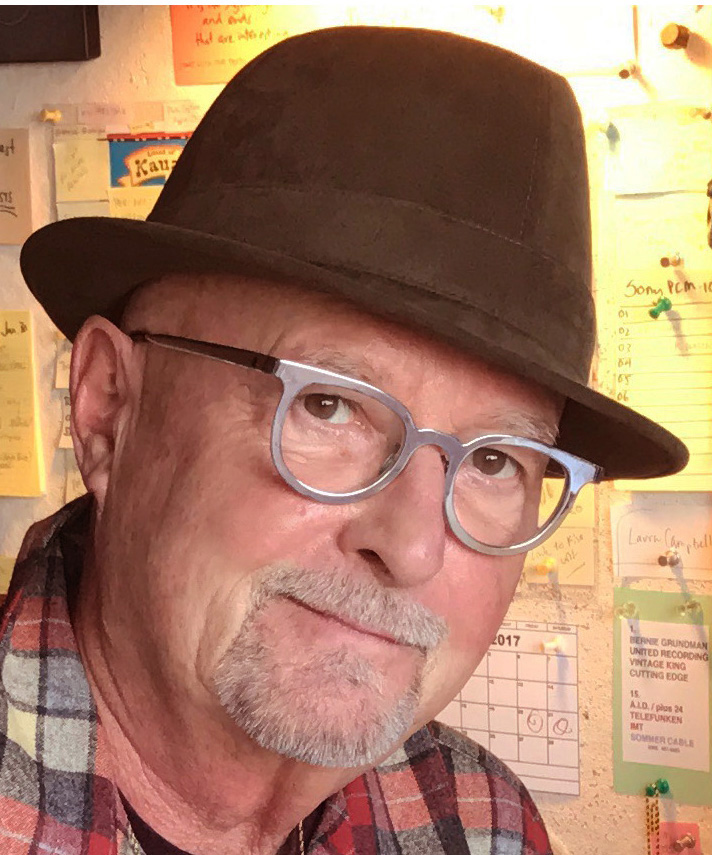
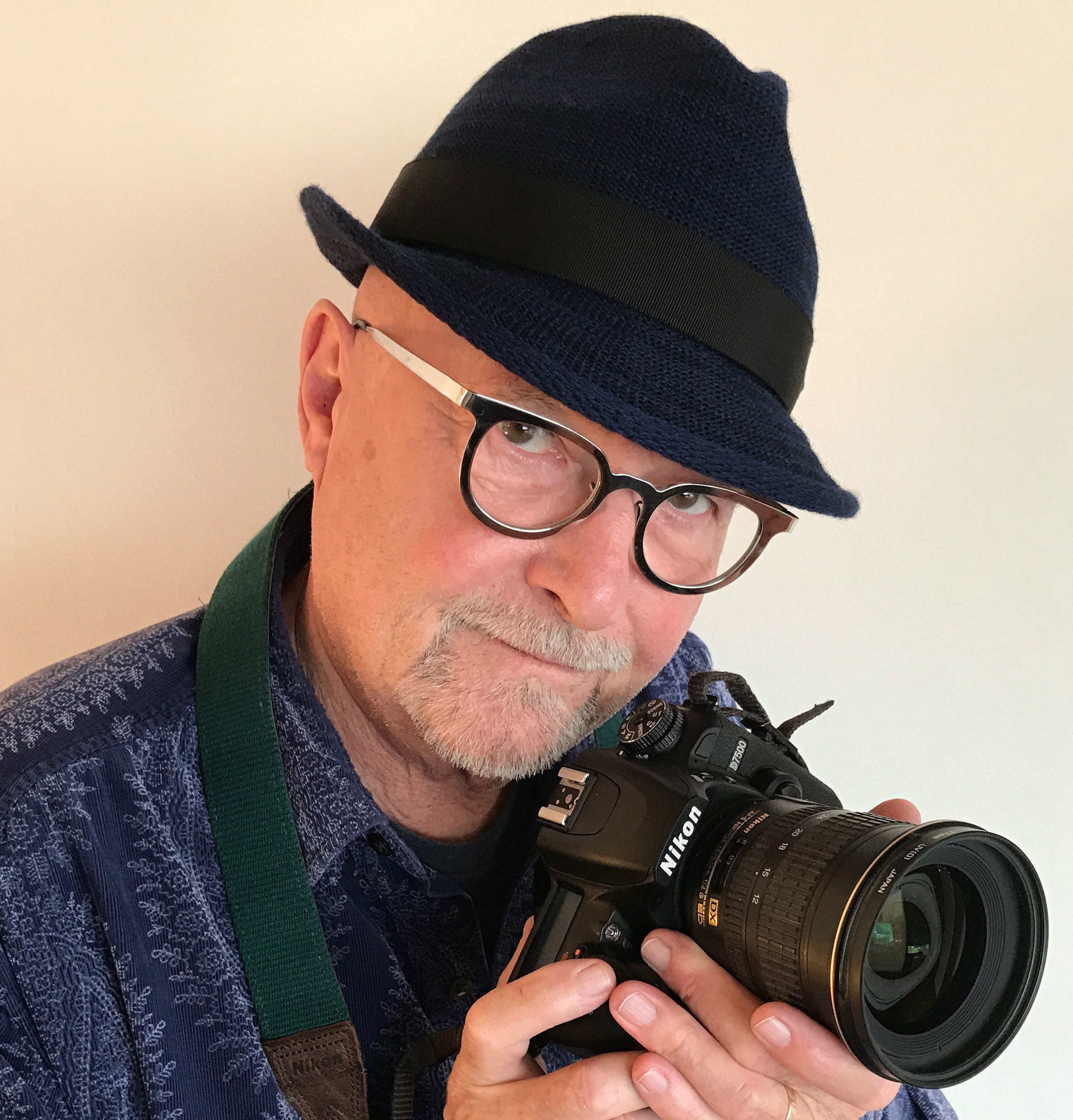
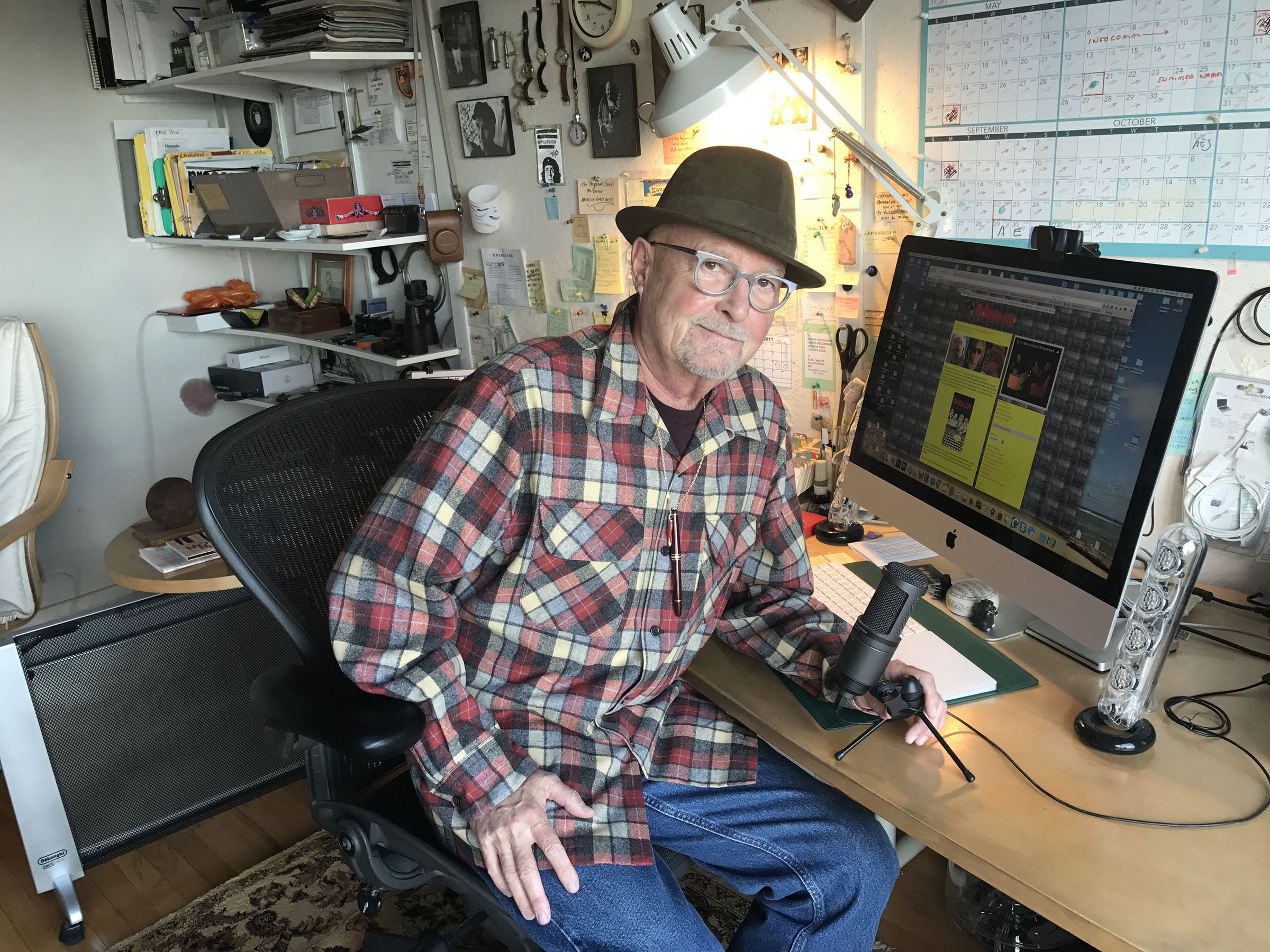
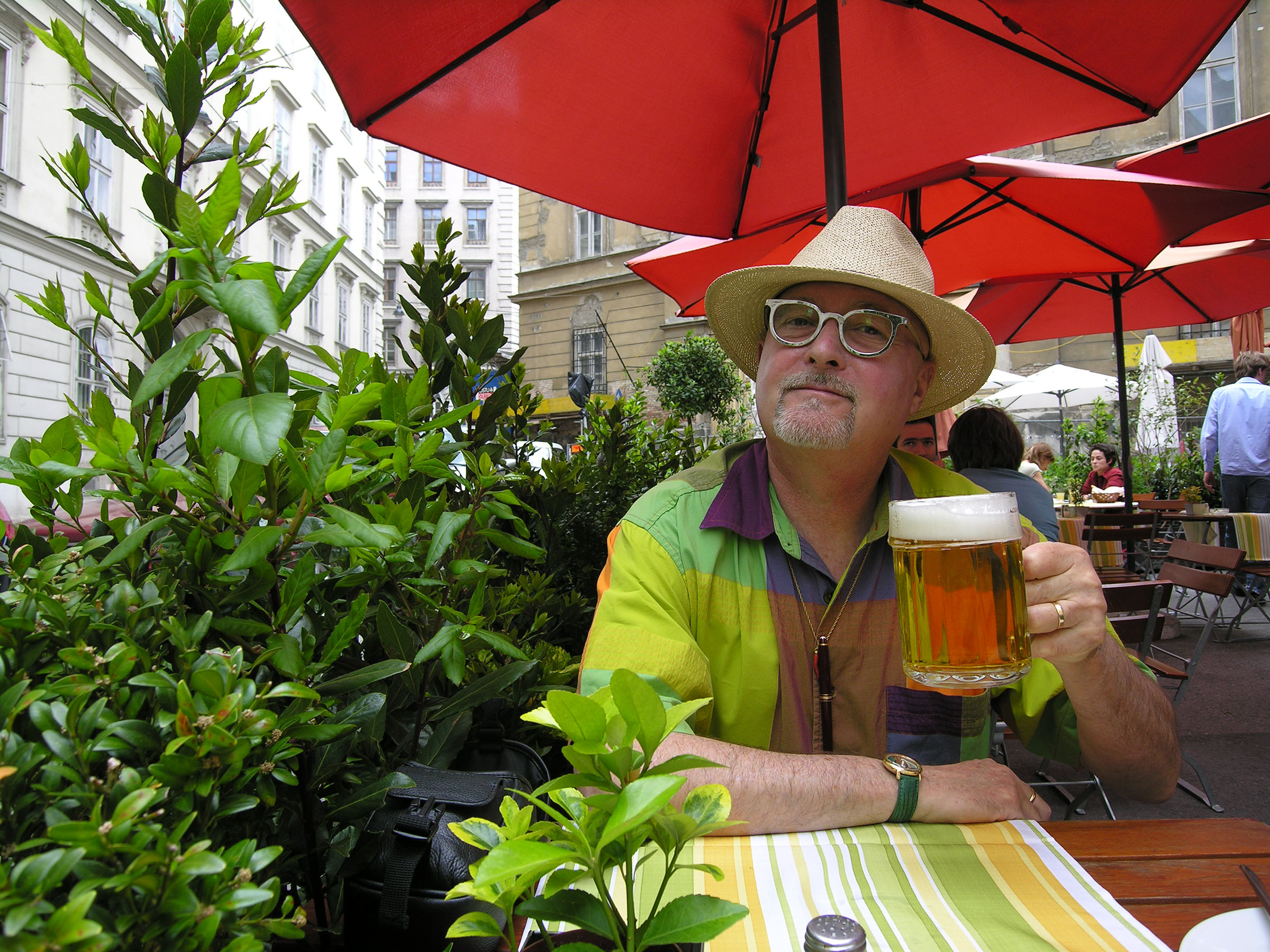
Many of his articles featured his award-winning photography, establishing him as Los Angeles’ preeminent recording studio photographer. Sights of Goggin, in his pork pie hat, metallic glasses, lanyard Montblanc fountain pen, and multi-colored shirt, working booths at industry conventions with a Leica camera and ladder in hand, made him one of the most recognized figures in the pro-audio industry.
Goggin’s early studio stories were compiled into his first book, Studio Life: The Other Side of the Tracks (1984), and his life’s work included seven more books: Santa’s Secret Sled (1980), co-written with Bruce Lyon; Hal Blaine and The Wrecking Crew (1990), co-written with legendary session drummer Hal Blaine; The Sound of Money (2000), co-written with his friend and client Chris Stone; Faces of Music (2006); Music Smarts (2009); and John Lennon’s Tooth (2012). In 2025, he co-authored Buzz Me In: Inside the Record Plant Studios with music journalist Martin Porter, reconstructing the wild and innovative history of Record Plant Studios in New York, Sausalito, and Los Angeles, where Goggin worked as a press agent.
In addition to his work at Record Plant, Goggin collaborated with the studio’s owner Chris Stone, on industry advocacy groups such as SPARS and the World Studio Group. He co-founded, with producer/engineer Ed Cherney and Stone, the Music Producers Guild of the Americas, which later became the Producers & Engineers Wing of the Recording Academy. He was also active in the National Association of Music Merchants (NAMM) community, producing conference sessions with audio-industry pioneers and hosting the Technical Excellence & Creativity (TEC) Awards. He appeared on NAMM’s TEC Tracks stage in January 2026, with Devo frontman Mark Mothersbaugh and producer Bob Margouleff to discuss the making of the 1980 hit “Whip It” at Record Plant.
Mothersbaugh once called him “a master of modern music photojournalism,” obliquely adding that “Mr. Bonzai is the future of the past.”
Goggin’s company, Communication Arcs, provided PR and photographic services to leading pro-audio manufacturers and recording studios, including Sony, Telefunken, Sommer Cable, Ocean Way Recording, United Recording, and Bernie Grundman Mastering.
For half a century, David Goggin’s work compiled the audio and visual history of the recording studio era, bridging the early creative chaos of the analog studio age and the digital birth of personal music production, always focusing the lens on the people and technology behind the scenes that made the music happen.David Goggin was a Zen Buddhist practitioner throughout his entire life. His teacher was Rev. Tozen Akiyama.
Photo file 1: DavidGoggin1.JPG
Photo caption 1: David Goggin (photo 1)Photo file 2: DavidGoggin2.JPG
Photo caption 2: David Goggin (photo 2)Photo file 3: DavidGoggin3.JPG
Photo caption 3: David Goggin (photo 3)Photo file 4: DavidGoggin4.JPG
Photo caption 4: David Goggin (photo 4)
All Rights Reserved.